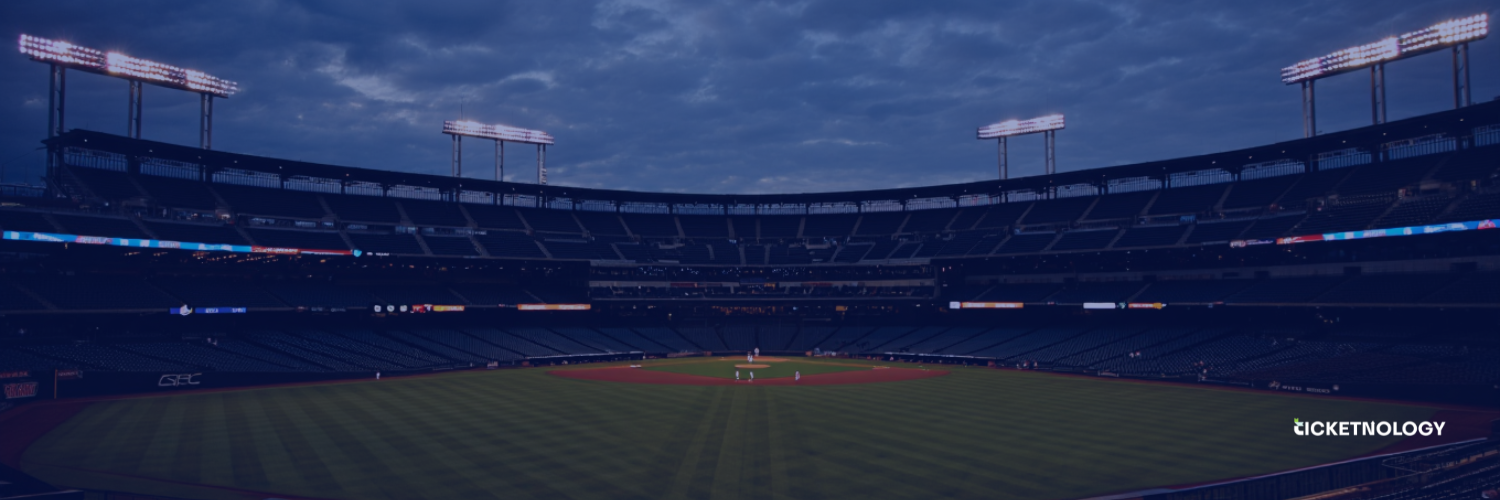
From the outside, Major League Baseball feels steady.
Attendance is strong. Rule changes improved pace and watchability. Young stars are marketable. Media money still flows. On the field, the product is healthy.
Off the field, though, the sport is quietly moving toward what could be one of its most consequential labor negotiations in decades.
The current MLB–MLBPA collective bargaining agreement expires after the 2026 season. That sounds far away. It isn’t. Positioning has already begun, and the league may be entering the calm before a storm that could reshape how baseball’s financial system works for years to come.
At the center: trust, transparency, and competitive balance.
Every CBA cycle eventually returns to the same question: how should the sport’s growing revenues be shared?
Players want a system that reflects baseball’s expanding financial landscape — media deals, streaming, sponsorship, and real estate developments tied to clubs. A longstanding frustration for the union has been limited transparency into team-level finances. Without full visibility into what each club actually earns, players often feel they’re negotiating without a complete picture.
Owners see a different risk. Payroll gaps are widening. A small group of teams can spend at levels most others simply can’t approach. When differences stretch into the hundreds of millions, the concern shifts from competitive advantage to structural imbalance.
Both sides have valid arguments. Both sides also carry decades of negotiation history. That history has created a persistent trust gap that tends to widen as agreements near expiration.
Baseball has always sold hope — the idea that any team can build toward contention.
That hope still exists in theory. The postseason allows for surprises. Smart organizations can compete. But the financial gap is becoming harder to ignore.
When teams like the Dodgers or Mets operate in a different spending tier entirely, it raises a fair question: how much disparity can the sport sustain before fans begin to question competitive fairness?
Parity doesn’t require equal payrolls. It requires belief. Fans need to feel their team has a realistic path within a reasonable window. When that belief fades, engagement can follow.
At the same time, big spenders and modern dynasties drive attention. Fans love rooting against a powerhouse. The sport needs teams to chase and teams to chase them. The challenge is making sure too many teams don’t feel out of the race before it begins.
That’s why the idea of a salary cap paired with a meaningful salary floor continues to hover over future negotiations.
Owners see cost certainty and narrower spending gaps. Players see potential limits on earning power and market value. A cap without a floor would be a nonstarter for the union. A floor without broader economic adjustments would be a nonstarter for many owners.
Some form of a combined structure could resurface if disparities continue to widen. It could help create more consistent spending across markets and give more fan bases a sense of opportunity. It could also reshape free agency and limit top-end contracts.
There are no clean solutions — only tradeoffs.
The landscape shifted further on February 18, 2026, when MLBPA President Tony Clark resigned. Leadership change this close to a CBA window matters. New leadership will help shape tone, priorities, and strategy as negotiations approach.
At the same time, there’s a growing sense across the industry that some owners may be willing to push harder for structural change, particularly around spending controls. Whether that becomes a firm push for a cap-and-floor system — and how strongly players resist — will define the tone of talks.
Growth across the sport should encourage compromise. But when foundational systems are in question, both sides historically dig in before they bend.
Conversations around transparency and asset value aren’t unique to labor negotiations. In our own world at Ticketnology, we see how often organizations underestimate or under-track valuable assets until questions of value and fairness surface. Different scale, same principle: clarity builds trust, and trust makes tough negotiations easier. Baseball is working through that reality on a global stage right now.
Most fans say they want parity. They want hope in April and meaningful games in September.
But they also engage with stars, superteams, and villains. They tune in to watch dominant clubs. They follow big contracts. Baseball thrives on both balance and imbalance.
The real risk isn’t that some teams spend more. It’s that too many teams feel like they can’t compete at all.
Right now, the game feels healthy. The on-field product is strong. The sport has momentum. On the surface, everything looks stable.
But beneath that stability, the groundwork for the next major labor battle is forming. The next agreement won’t just determine financial terms — it could shape how competitive balance and spending work in baseball for decades.
There’s still time for collaboration and compromise.
But as the next CBA approaches, baseball once again finds itself in a familiar position: a strong game, rising stakes, and a negotiation that feels less like routine business and more like a moment that could redefine the sport.
For now, it’s quiet.
It rarely stays that way.
Want more clarity around how valuable assets are tracked, managed, and optimized?
At Ticketnology, we help organizations bring transparency and structure to high-value ticket assets — so decisions are backed by data, not assumptions.
👉 Book a demo and see how smarter visibility builds better outcomes.
Looking for more information or want to schedule a free demo? Let’s chat!
By submitting this form you agree to be contacted and receive additional communication, including emails from Ticketnology.