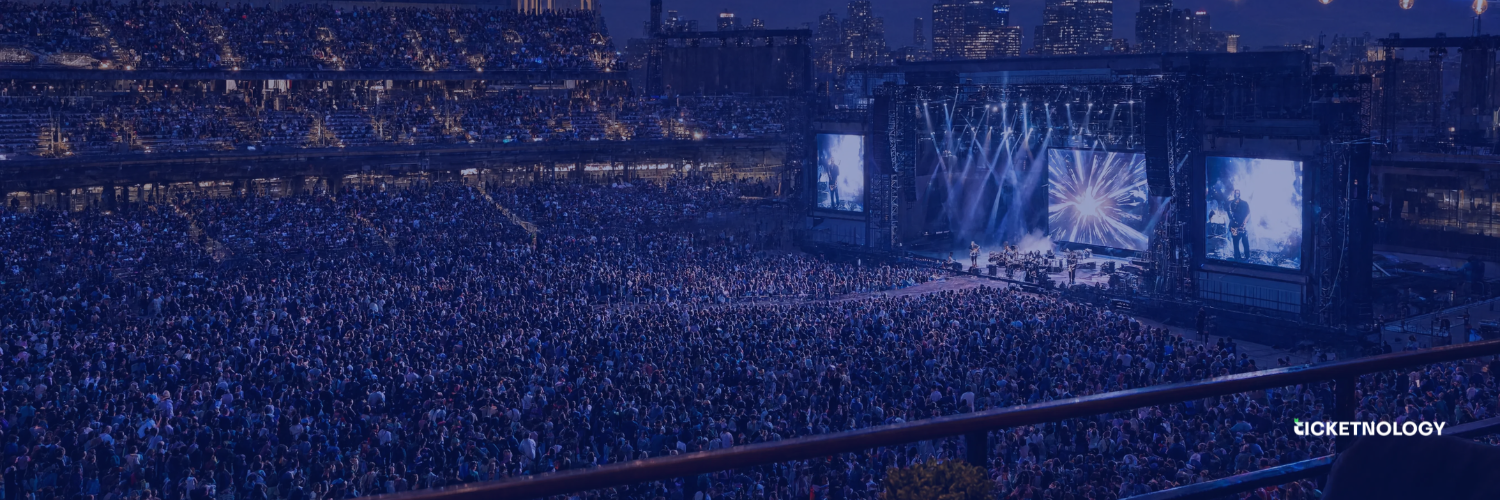
Concert attendance in the U.S. hit record highs over the past two summers, and 2026 is on pace to beat them. Stadium tours are selling out in minutes. Secondary markets for premium seating are up double digits year over year. And for companies that use live events to build client relationships, reward top performers, or close deals, that demand creates a real problem: getting the right tickets, to the right people, at the right time is getting harder every summer.
Most organizations don’t lose value in their hospitality programs because they picked the wrong artist or the wrong suite. They lose it because nobody can answer three basic questions fast enough: Who is this ticket for? Did they show up? What did we get out of it?
If your team is still answering those questions with a spreadsheet and a group email chain, summer concert season will expose the gaps.
Corporate hospitality programs are usually built around a season-ticket rhythm — a predictable schedule, a known set of games, and months to plan. Concert season doesn’t work that way.
A handful of realities make it harder to manage:
None of this is a reason to scale back hospitality investment. Live events remain one of the most effective ways to build real relationships with clients, reward employees, and create moments people actually remember. It’s a reason to make sure the operational side can keep up with the demand.
When ticket requests move faster than your process, three things tend to happen:
This is the gap between treating tickets as a perk and treating them as a business asset. The companies that get the most value out of concert season hospitality are the ones that can move quickly and show their work.
A few practical shifts make the biggest difference heading into a high-demand summer:
1. Centralize requests before the rush starts. If sales, marketing, and executive assistants are all requesting tickets through different channels — email, Slack, a shared spreadsheet — you don’t have a system, you have a guessing game. A single intake point for hospitality requests means nothing falls through the cracks when three tours announce dates in the same week. This is exactly the problem Ticket Booth was built to solve: one place to request, approve, and track every ticket, so decisions happen in hours, not days.
2. Set the budget before the excitement does. Concert tickets carry a different emotional pull than a regular-season game, which makes it easy for hospitality spend to creep past plan. Locking in budget parameters — by team, by quarter, by guest tier — before demand peaks keeps decisions fast and disciplined. Ticket Pass gives finance and marketing teams a real-time view of budget against actual spend, so a fast decision doesn’t become a surprise line item later.
3. Have a plan for the tickets you don’t use. Plans change. A client cancels. A show gets moved. When that happens, unused tickets shouldn’t just disappear as a write-off. A resale process built for exactly this — like Ticket Consignment — turns that inventory back into value instead of a loss buried in next quarter’s budget review.
4. Track outcomes, not just attendance. Knowing who showed up is a start. Knowing what happened because they showed up — a renewed contract, a warmer relationship, a retained employee — is what turns hospitality from a cost center into a growth driver. Build the habit of connecting guest lists to business outcomes now, so you have real numbers when budget conversations happen in the fall.
Organizations with the strongest hospitality ROI treat concert season the same way they treat any high-stakes, time-sensitive business process: with visibility, clear ownership, and a system that can move as fast as the opportunity requires. They’re not the ones with the biggest hospitality budget — they’re the ones who know exactly where every dollar of it went.
Summer concert demand isn’t slowing down. The organizations that win this season aren’t the ones scrambling to keep up — they’re the ones with a process built to handle it before the first tour date is even announced.
If your current process depends on spreadsheets and email chains to keep up with peak demand, now is the time to fix that — not in October, when the postmortem happens.
Book a demo to see how Ticket Booth, Ticket Pass, and Ticket Consignment work together to give your team the speed, visibility, and accountability this season demands.
Looking for more information or want to schedule a free demo? Let’s chat!
By submitting this form you agree to be contacted and receive additional communication, including emails from Ticketnology.