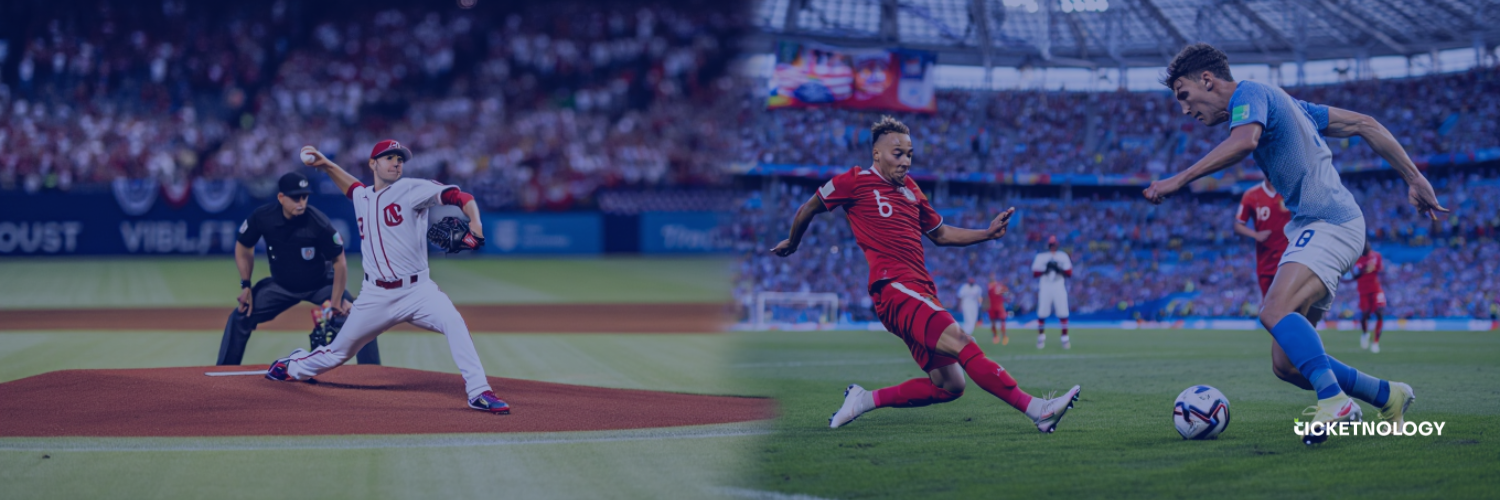
Timing, stars, and fan experience all play a role.
On paper, the World Baseball Classic should be one of the best global sporting events in the world.
You have international stars. National pride. Packed stadiums. Meaningful games. When the moments are big, the energy is undeniable. Anyone who’s watched recent tournaments has seen how powerful it can be when the stakes feel clear.
And yet, every time it arrives, the same question surfaces: why doesn’t the World Baseball Classic feel like the World Cup?
It’s not a talent problem.
It’s not a passion problem.
It’s a fan experience problem.
The FIFA World Cup works because everything about it is designed with the fan in mind.
It owns the calendar.
It builds anticipation years in advance.
It guarantees the best players will be there.
It makes every game feel like it matters.
Fans don’t have to search for it. The event pulls them in. It becomes unavoidable, immersive, and shared globally.
From a customer experience standpoint, it removes friction. You know when it’s happening, why it matters, and what’s at stake.
The World Baseball Classic has many of the same ingredients — but the experience isn’t packaged the same way.
Right now, the World Baseball Classic takes place in March, during spring training.
From a fan perspective, that’s a confusing window. Players are still ramping up. Pitchers are limited. The regular season hasn’t started. At the same time, the tournament competes with March Madness, NBA and NHL races, and the start of the baseball season itself.
Even great games can feel like they’re happening on the side rather than at the center.
Great experiences don’t compete for attention. They command it.
That’s why an August window is so compelling.
August is one of the few open spaces on the global sports calendar. No meaningful NFL games. NBA and NHL offseasons. Limited competition for attention. Fans are looking for something to lock into.
An August World Baseball Classic would give the event clarity and breathing room. Players would be in peak form. Pitchers fully built up. Hitters locked in. The level of play would be sharper, faster, and more intense. Offense would likely be higher — and fans naturally gravitate toward action and scoring in global tournaments.
Most importantly, the event would feel central rather than adjacent. Instead of interrupting spring training, it becomes a global midseason moment where the sport pauses and the world focuses on one stage.
That’s how the World Cup works. Baseball has the global talent to match. It may just need the right window.
Another key part of the experience is star participation.
In soccer, fans never wonder if the best players will show up for the World Cup. They know they will. It’s expected. It’s part of legacy.
Baseball hasn’t fully reached that point yet. Concerns around injury, insurance, and contracts all play a role. Those are real issues, but they directly affect the fan experience.
Because what fans want — globally — is simple: they want to see the best play the best.
They want Ohtani vs. Judge on an international stage. They want matchups that feel rare and meaningful. When the best players are present and fully engaged, the event becomes appointment viewing. When participation feels uncertain, the experience feels less definitive.
Great global events remove uncertainty. They make attendance — and participation — feel automatic.
The gap between the World Cup and the World Baseball Classic isn’t passion or talent. It’s intentional design around the fan.
Great events think about:
Those same principles apply in business.
The best organizations understand that live experiences, access, and shared moments aren’t just perks. They’re assets. When managed intentionally, they create relationships, loyalty, and long-term value.
At Ticketnology, that’s the lens we operate through — helping organizations treat access and experiences as strategic assets rather than afterthoughts. Because when moments matter, how they’re structured and delivered defines their impact.
The World Baseball Classic has everything it needs: talent, global reach, and passionate fans. The opportunity now is to design the experience in a way that matches that potential.
Because when the experience is right, fans don’t ask whether an event matters.
They already know.
The difference between good events and unforgettable ones is never accidental — it’s intentional.
That same mindset applies to how organizations use live events to build relationships with clients, partners, and teams. When access is managed strategically, experiences stop being one-off moments and start becoming measurable business assets.
At Ticketnology, we help companies design, manage, and optimize live event access — so every ticket delivers real impact, not just attendance.
If you’re ready to treat experiences like the strategic advantage they are, book a demo with Ticketnology and see how intentional access drives long-term value.
Looking for more information or want to schedule a free demo? Let’s chat!
By submitting this form you agree to be contacted and receive additional communication, including emails from Ticketnology.